
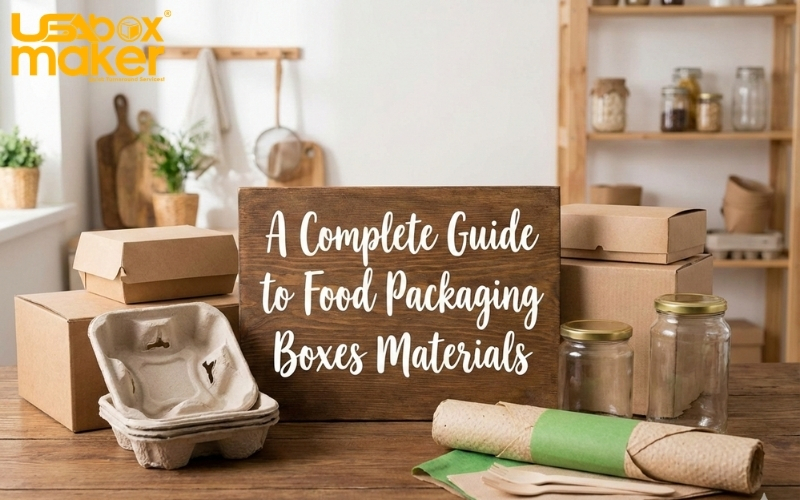
One bad box can ruin great food. Leaked sauces, wet dishes and shattered forms send customers away in no time. Food Wrapping ensures that food is not spoiled, hot and contaminated. It preserves the first pack of food till the last bite. Strong packaging also makes food easy to carry and store. Food can be preserved in quality packaging, improve food attractiveness, and delivered in a smooth manner.
What Are Food Packaging Boxes
Food packaging boxes are not just containers, but the first thing customers are going to see. They store food in a safe, fresh and convenient manner. Hot meals, cold snacks, whatever you need to order, the correct box will make sure your food is maintained to perfection before it is on the table. These boxes are of varied shapes and sizes, which are made according to the types.
Custom printed Boxes are a way of making a brand noticeable to many businesses. Logos, colours, and designs are shown in these boxes, and customers are able to remember them. Professional and clean food is the thing that a well-designed box makes. These boxes are used by bakeries, cafes, restaurants, and sellers of home food to store food in a safe manner and to appear attractive. A simple meal can become an experience in itself with the help of the proper packaging.
Types of Food Packaging Materials
White Cardstock
SBS (Solid Bleached Sulfate) is also known as white cardstock, which is smooth, firm and suitable to use in high-end food packaging. It is clean and professional.
Types:
- 16pt (300gsm): Lightweight boxes for small snacks or candies.
- 18pt (350gsm): Slightly thicker, suitable for cupcakes or bakery items.
- 20pt (420gsm): Stronger boxes for heavier food items.
- 24pt (500gsm): Sturdy, used for high-end food packaging or gift boxes.
Kraft Cardstock
Kraft cardstock is natural, environmental and never laminated or coated. It has a rustic and unclean appearance, which is ideal for snacks and sandwiches.
Types:
- 16pt (300gsm): Small bakery boxes or snack packets.
- 18pt (350gsm): Medium food packaging like sandwiches.
- 20pt (420gsm): Heavier items like cookies or small desserts.
- 24pt (500gsm): Strong boxes for bulk items or premium packaging.
Corrugated
Corrugated material is strong and used for large food boxes or display boxes.
Types:
- E-Flute 600–650gsm: Thicker outside layer.
- E-Flute 800–850gsm: Extra thick, perfect for both inside and outside printing.
Choosing the Right Material
There is a need to identify the right material that has the ability to make food fresh, safe and conveniently portable. The food type, storage and the brand image are all important. Eco-friendly Packaging will reduce the amount of waste and attract environmentalists.
- Consider the type of food: Hot food must be in foil or thick paperboard boxes. Plastic containers or biodegradable containers are more suitable for cold or wet foods. Snacks that are dry are suited in paperboard or kraft boxes.
- Think about strength: Heavy or multiple items need corrugated boxes. Light snacks can use thinner cardstock.
- Check the safety: Be sure that the substance is not reactive to food, and does not leak. The safest one is food-grade material.
- Brand image: Select the materials that are in line with your brand style. Premium foods can use white cardstock or custom-printed boxes. Natural foods are in good appearance in Kraft or biodegradable boxes.
- Eco-friendly choice: Kraft, biodegradable papers, and plant-based plastics are the materials that will decrease the amount of waste and show that your brand is concerned about the planet.
Benefits of Using Quality Materials
Using quality materials for food packaging has many advantages. Strong and safe materials protect boxes during delivery and support proper handling. They are also beneficial in making the brands appear professional and responsible.
Benefits:
- Protect Food:
Good materials will eliminate spills, crushes and contamination during transportation. - Keeps Food Fresh:
Good materials maintain temperature and prevent exposure to air or moisture. - Supports Food Packaging Instructions:
Such instructions as ‘Keep cool’ or ‘Eat fresh’ can be evident in boxes. - Reduces Waste:
Good packaging reduces spoiled or damaged food. - Builds Brand Image:
Care, professionalism and trustworthiness are expressed through high-quality packaging.
Tips for Customization
Packaging can be made attractive, convenient, and it also has the effect of making your brand stand out. Custom Food Packaging Boxes will provide you with a chance to include your own logo and colors, not to mention the information required.
- Choose the Right Size: Food should be fitted in boxes to avoid spills or destruction.
- Use Clear Printing: The text and logos ought to be readable. Offset printing works best for sharp and high-quality designs.
- Use Food-Safe Colors: Clean and safe colors demonstrate hygiene and professionalism.
- Use Strong Material: Always prioritize food safety. Custom boxes should protect the food first and look good second.
Conclusion
Food Display Boxes are helpful in maintaining food fresh, safe, and in appearance. The perfect material makes sure food reaches customers in perfect condition. From simple paper to eco-friendly options, every material has its use. Choosing the box based on food type and customer needs makes a big difference. Good packaging not only protects food but also helps your business grow.